Tropical Ecology & Conservation
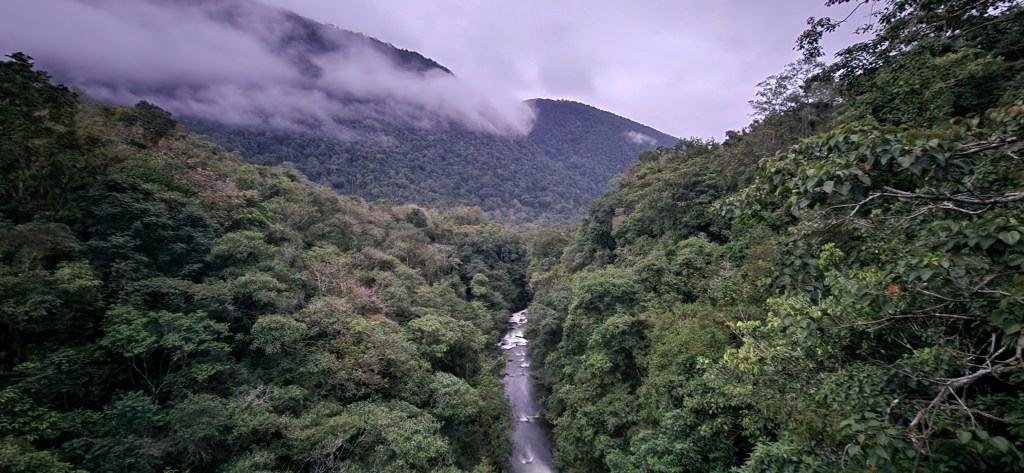
In 2014, Felicity and Ian started a project in the cloud forests near Chachapoyas, Peru to study how climate and agricultural land use change interact to shape tropical montane bird communities. The project has since produced numerous publications on topics related to reproductive dynamics, trophic webs, climate adaptation, fragmentation effects, dispersal limitation, light sensitivity, and management of agricultural landscapes to support biodiversity retention. To help communicate our science to the local campesino communities graciously hosting our research, we created the outreach program Aves del Bosque Montano Peruano. This is a collaboration with numerous partners, including CORBIDI, the local network of private conservation areas (Red AMA), and Universidad de Torribio Rodriguez de Mendoza. See here for more details.
Alpine Biodiversity
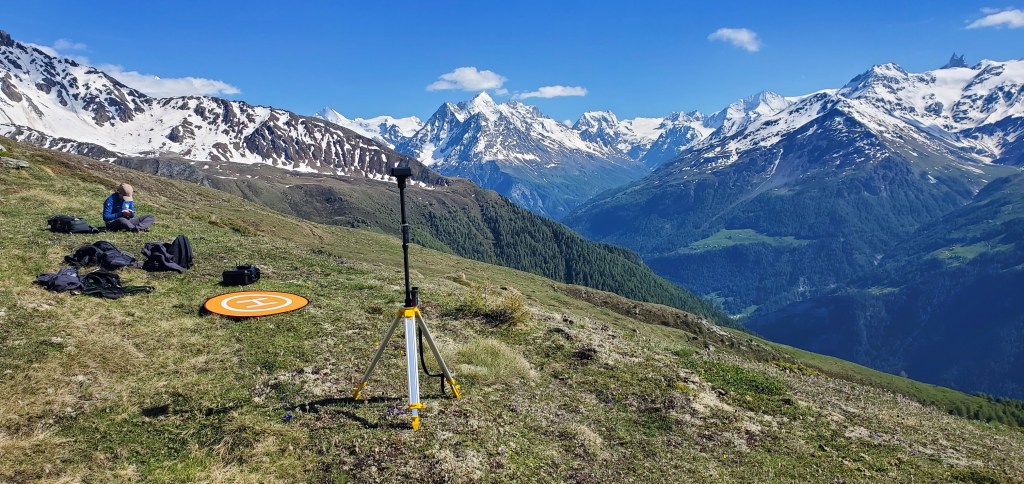
The European Alps are among the fastest warming mountains in the world, with numerous alpine species restricted to narrow elevational range limits within the alpine zone above treeline. The Alpine Bird Project is studying how two model alpine bird species – Alpine Rock Ptarmigan and Rock Partridge – are adapting to rapid temperature changes via behavioral and physiological thermoregulation. To get at this question, we use fine-scale movement data collected with GSM tags mounted on free-ranging ptarmigan and partridge, in situ climate monitoring, local microhabitat and land surface temperature mapping using a thermal drone, and camera traps. This is a collaboration with University of Bern in Switzerland. Please see the Galleries link for photos from the field!
Biodiversity on Private Conservation Lands
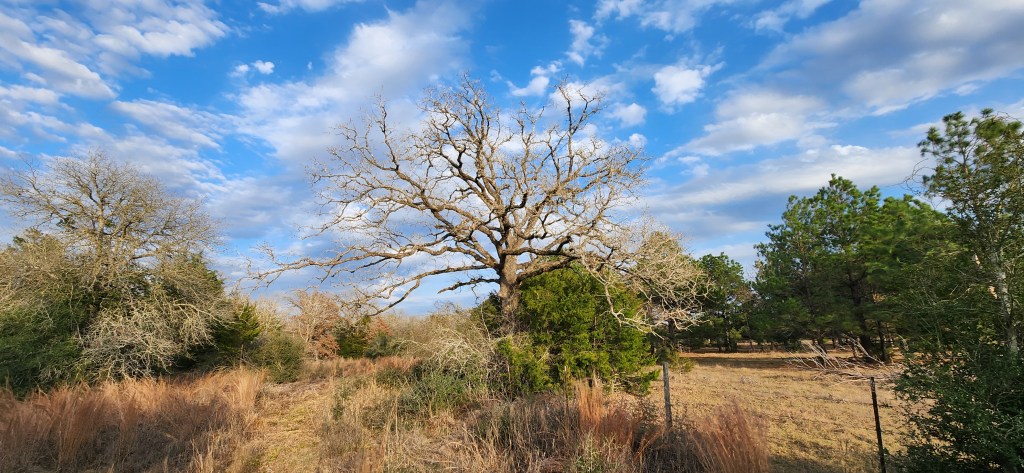
Over 90% of Texas is managed by private land owners, meaning that biodiversity conservation will largely depend on the actions of local landholders. The lab recently started a new project looking at how private lands are managed for wildlife and other species locally within the Post Oak Savannah Ecoregion via intensive field surveys and more broadly across the state of Texas by looking at the distribution of properties enrolled in Open Space appraisal programs. This is a collaboration with the Texas EcoLab Program.
Ecology & Evolution of the Avian Visual System
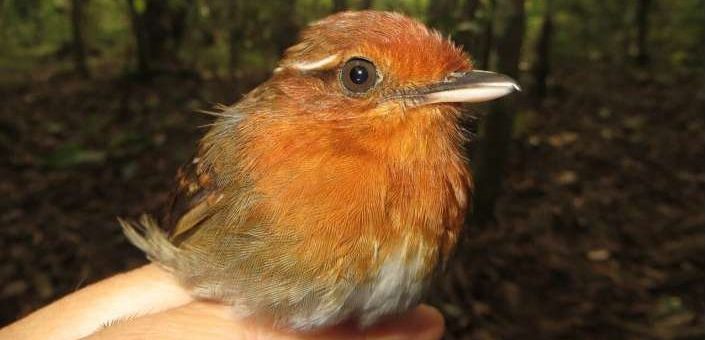
The lab has been working for many years to understand how visual systems contribute to the ecology and evolution of the Avian Tree of Life. Using Stanley Ritland’s unpublished dataset on eye size variation, we have demonstrated that eye morphology is a key functional trait underling evolutionary dynamics, with multiple forms of correlated evolution occurring between key aspects of avian ecology, such as foraging behavior, habitat use, nest architecture, and dietary breadth. Much of this work has been done with collaborators at other universities, so please reach out if you have ideas! See here for more details.
 Animal Ecology & Conservation