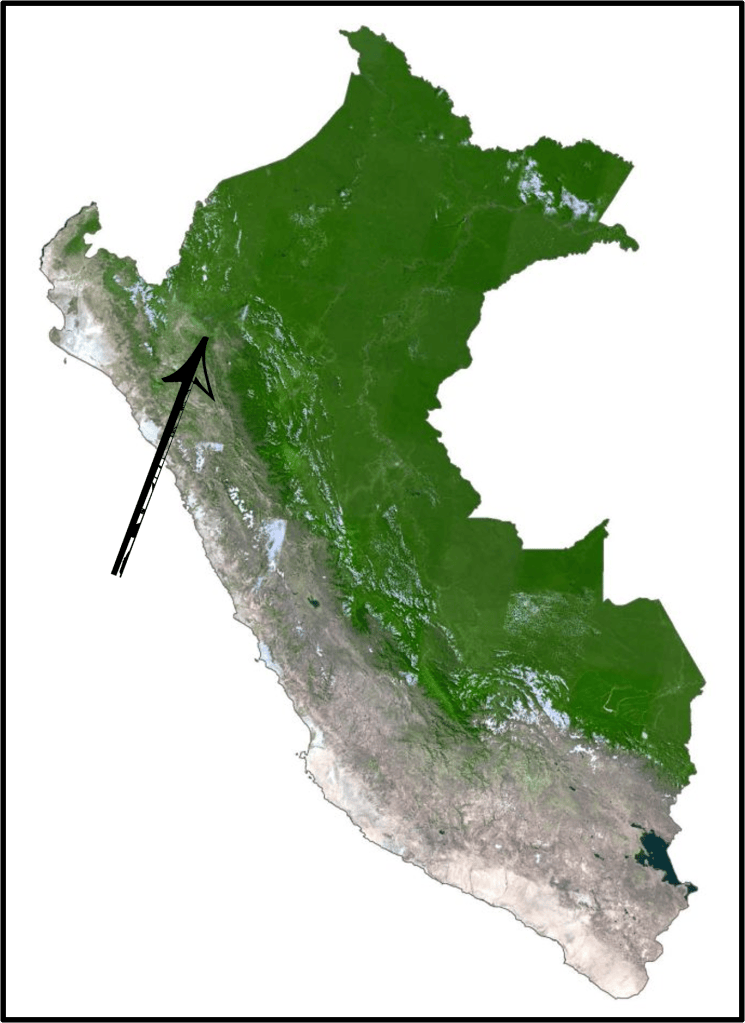
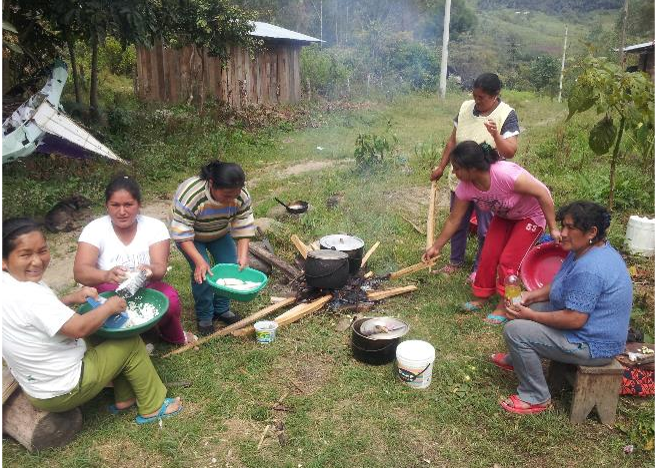
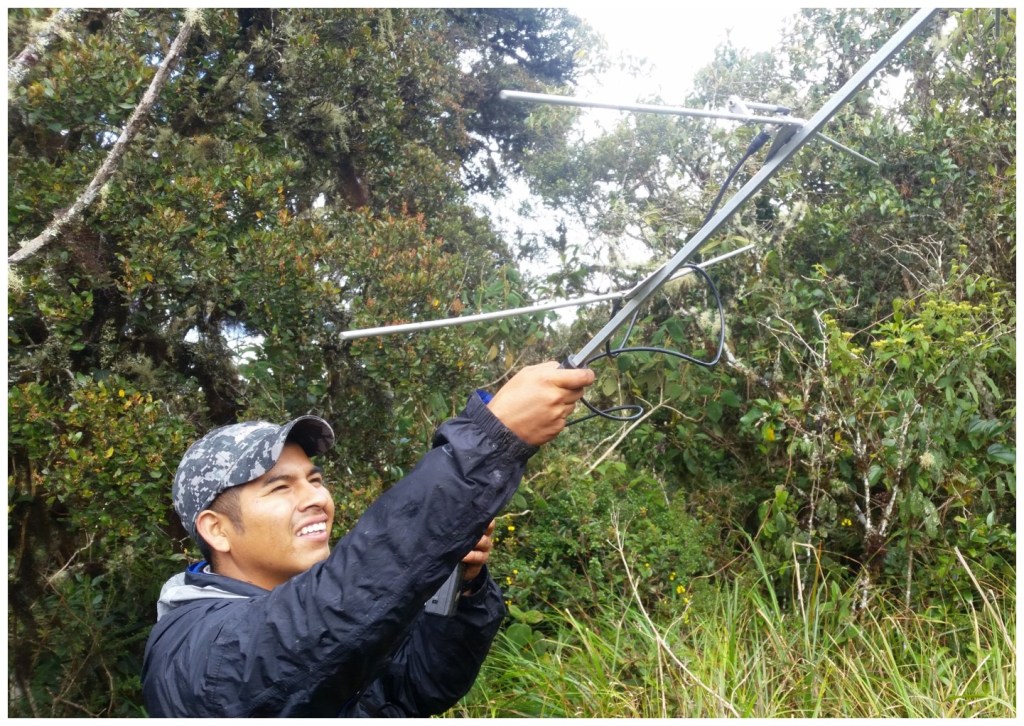
We have been working in the cloud forests near Chachapoyas, Peru since 2014 to understand how regional climate variability and agricultural land use change shape tropical montane bird communities. This work exists due to the invaluable contributions of over 100 student field assistants and collaborators from local campesino communities where our research is based.
Please click on the following links to learn more:
~
Press Releases from the Florida Museum of Natural History
~
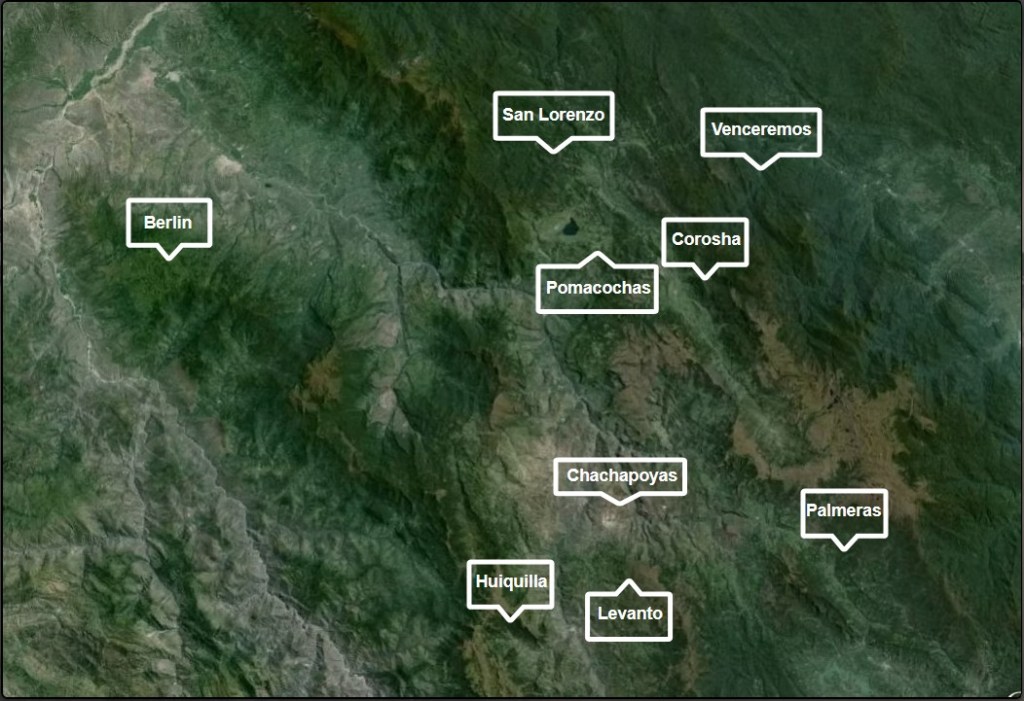
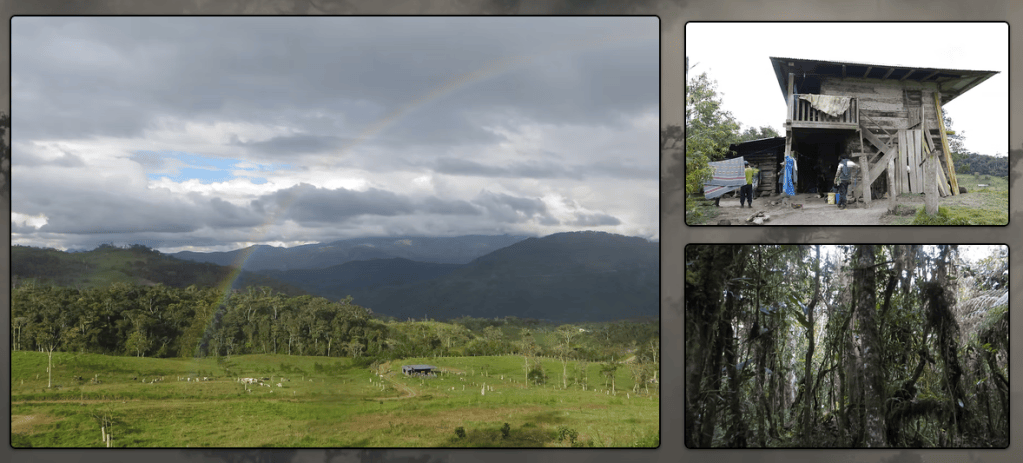
Study Sites
Levanto ~ 3000m
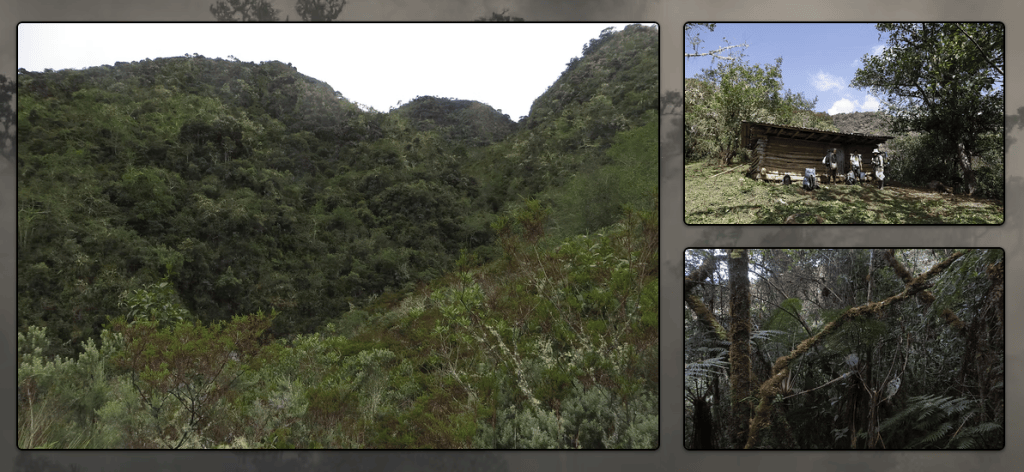
This site is located within the Communal Forest Reserve of Levanto and a network of nearby forest fragments. We camp in a rustic cabin near treeline. The community also protects pajonal in the private conservation area of Tilacancha.
Huiquilla ~ 2700-3000m
Part of our research is conducted at the private conservation area of Huiquilla in Choctamal en route to the Chachapoyan Fortress of Kuelap. This beautiful tract of cloud forest has hosted a variety of biological research. We stay at a bunkhouse on the reserve.
Pomacochas & San Lorenzo~ 2500-2800m
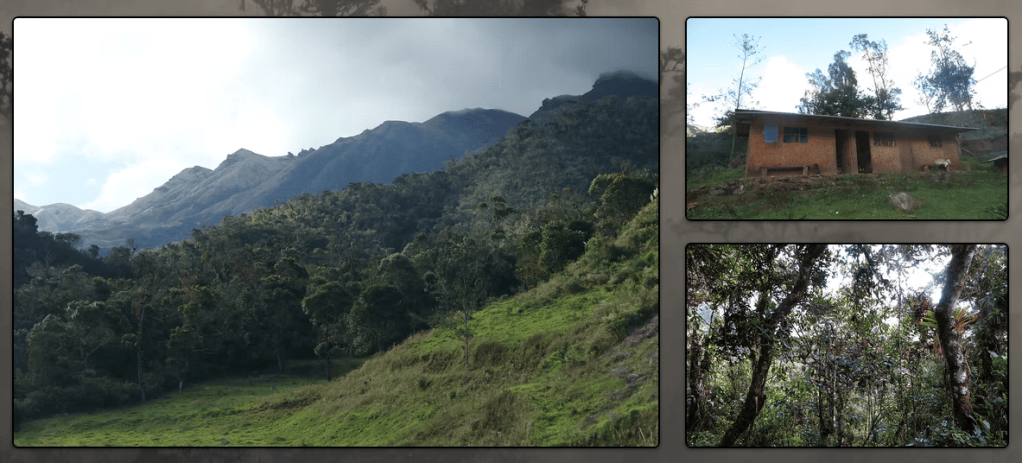
We are lucky to work within an extensive network of cloud forest fragments owned by Don Diego Poclin and other landowners near the town of Pomacochas and its famous laguna. We also work in several fragments near the community of San Lorenzo across the valley. We stay with local families.
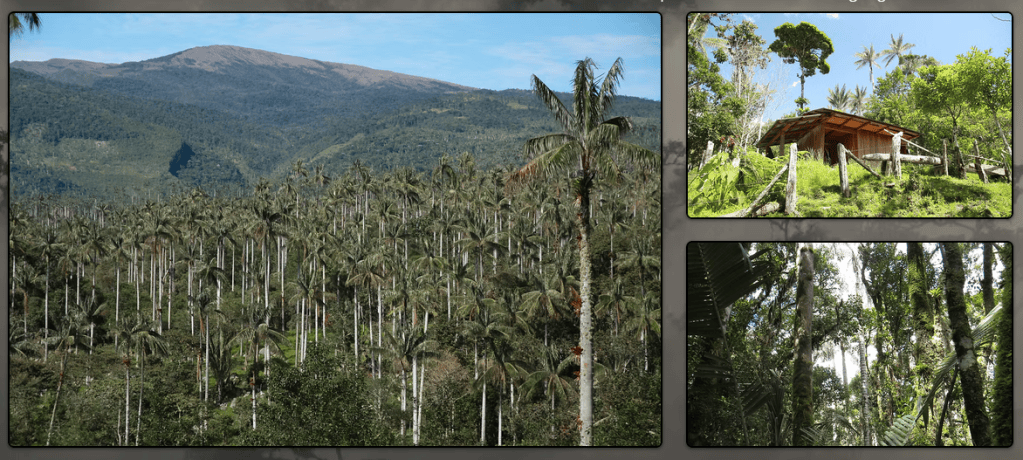
Bosque de Palmeras de Ocol ~ 2200-2400m
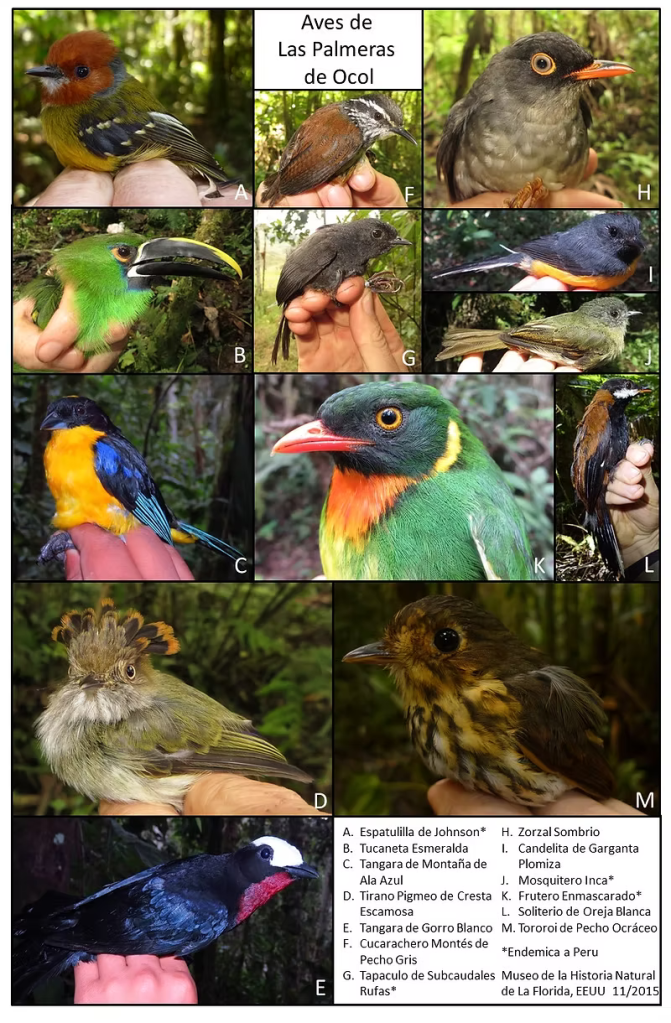
Part of our research is conducted at the private conservation area of Bosque Palmeras Taulia-Molinopampa which hosts the world’s largest stand of Ceroxylen palms and extensive tracts of primary cloud forest. We coordinate with the Women’s Association in Ocol who provide food and lodging.
Bosque Berlín ~ 2000-2300m
We work with the family Rimarachín at their beautiful private conservation area of Bosque Berlín. Perched above the arid Utcubamba River valley, the forest is a lush oasis for iconic cloud forest species such as the Cock of the Rock and endangered Yellow Woolly-Tailed Monkey. We stay at the family’s farmhouse, a 1.5 hour backpack from the nearest road.
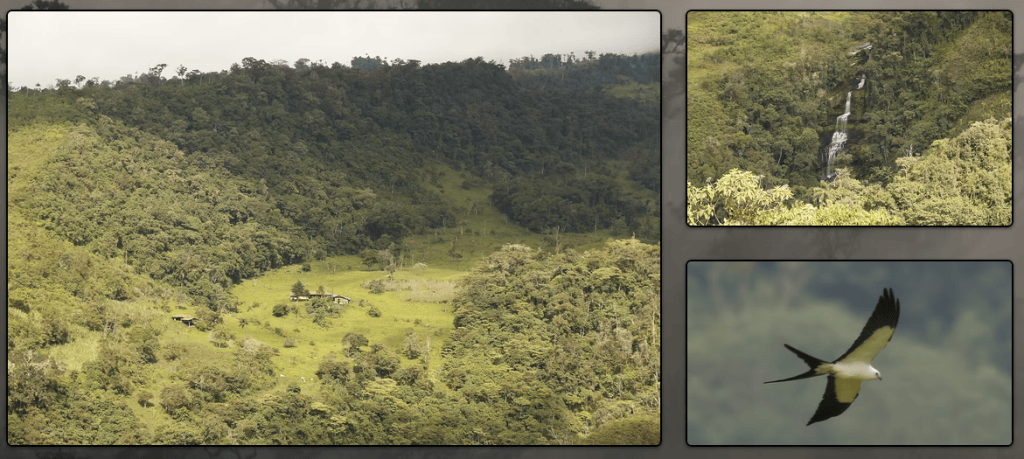
Corosha ~ 1800-2000m
We work with a network of landowners in forests around the Community of Corosha. We coordinate with the Women’s Association in Beruit who provide food and lodging. The community protects habitat for yellow-tailed woolly monkey and spectacled bear in the private conservation area of Hierbabuena-Allpayacu.
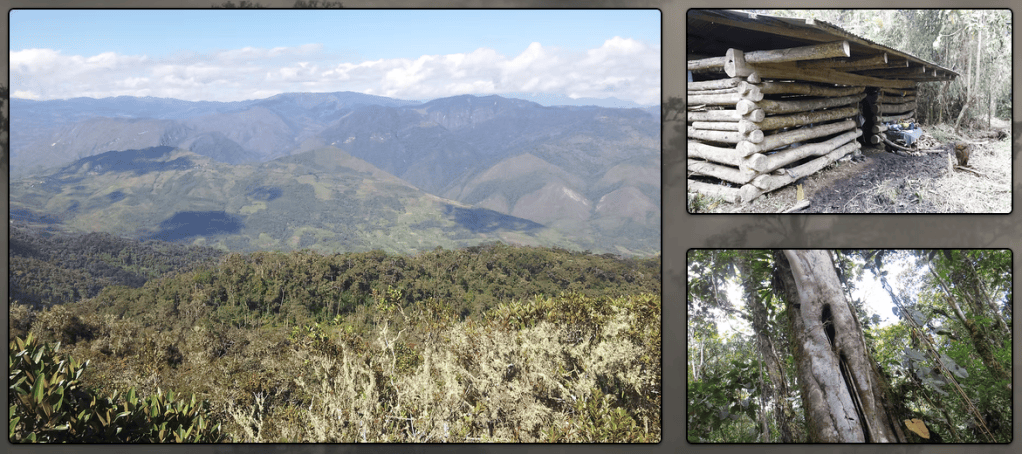
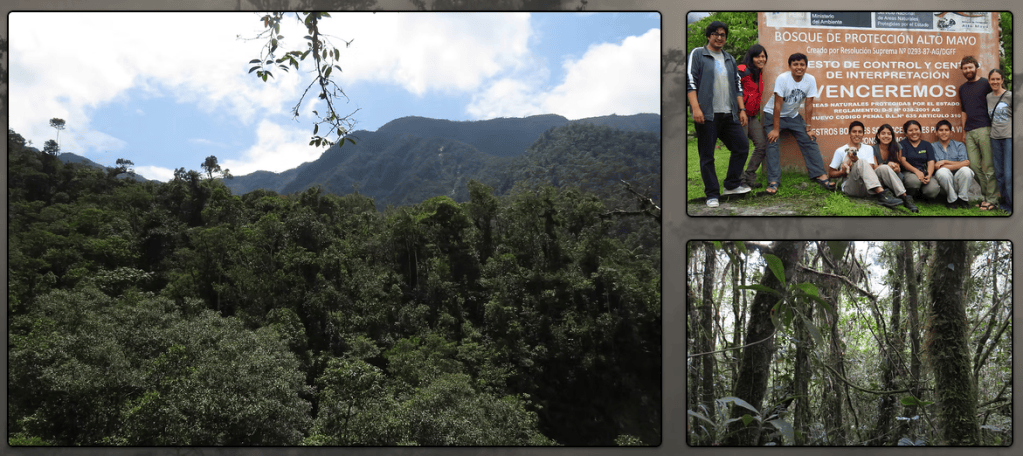
Venceremos ~ 1700-1900m
We worked for several years within the Bosque de Proteccion Alto Mayo. The protected area covers 1,820 square kilometers of montane forest. Park guards are working to promote conservation and education in local communities to reduce deforestation. We stayed in a bunkhouse at the Puesto de Control Venceremos.
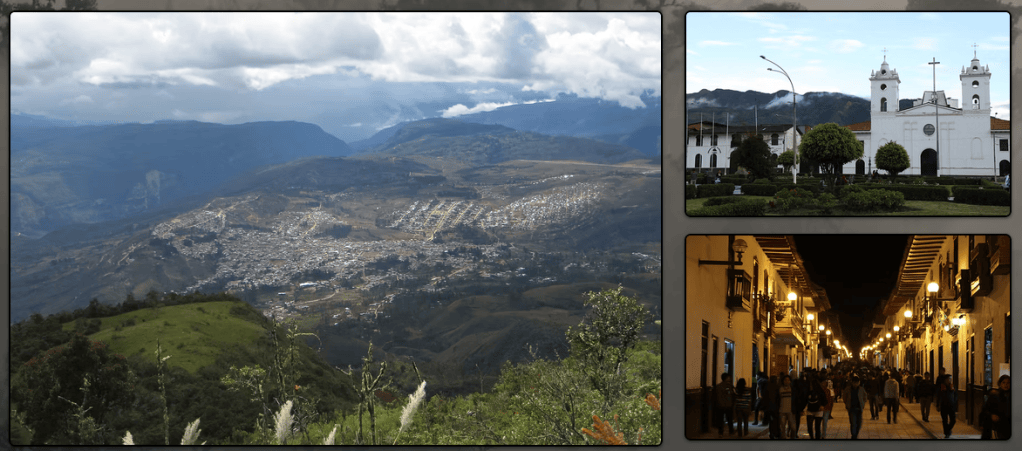
Chachapoyas
The project is based out of Chachapoyas, capital of the department of Amazonas. It is a beautiful old Andean city built on the slopes above the Rio Utcabamba, with nearby pre-Incan ruins from the Chachapoyan culture and some of the tallest waterfalls in the world.
~
Research
Please see our ResearchGate pages for pdfs: Ian Ausprey & Felicity Newell
Agriculture, Community Disassembly & Functional Mechanisms
Ausprey, I. J., F. L. Newell, and S. K. Robinson. 2024. Dispersal limitation predicts the spatial and temporal filtering of tropical bird communities in isolated forest fragments. Functional Ecology 38: 179– 193. https://doi.org/10.1111/1365-2435.14462 ~ Research Highlight
Ausprey, I. J., F. L. Newell, & S. K. Robinson. 2023. Sensitivity of tropical montane birds to anthropogenic disturbance and management strategies for their conservation in agricultural landscapes. Conservation Biology 37: e14136. https://doi.org/10.1111/cobi.14136
Mamani-Cabana, N.**, F. L. Newell, S. K. Robinson, and I. J. Ausprey. 2023. Rango de hogar y uso de hábitat del Frutero Verde y Negro (Pipreola riefferii) en bosques montanos fragmentados al norte de Perú. Ornitología Neotropical 34: 78–86. https://doi.org/10.58843/ornneo.v34i2.1035 (**Peruvian Field Assistant)
Montaño-Centella, F., J. Muñoz, G. Magnini, I. J. Ausprey, F. L. Newell & 14 co-authors. 2023. Network structure of avian mixed-species flocks decays with elevation and latitude across the Andes. Philosophical Transactions of the Royal Society B. 378: 20220099. http://doi.org/10.1098/rstb.2022.0099
Ausprey, I. J., F. L. Newell, and S. K. Robinson. 2022. Functional response traits and altered ecological niches drive the disassembly of cloud forest bird communities in tropical montane countrysides. Journal of Animal Ecology 91: 2314–2328. https://doi.org/10.1111/1365-2656.13816
Ausprey, I. J., F. L. Newell, and S. K. Robinson. 2021. Adaptations to light predict the foraging niche and disassembly of avian communities in tropical countrysides. Ecology 102: e03213. https://doi.org/10.1002/ecy.3213
Climate, Trophic Interactions & Avian Reproductive Dynamics
Newell, F. L., I. J. Ausprey, and S. K. Robinson. 2026. Changing Rainfall Drives Locally Asynchronous Reproduction of Tropical Birds via Modular Trophic Pathways. Global Change Biology 32: e70790. https://doi.org/10.1111/gcb.70790.
Newell, F. L., Ausprey, I. J., & Robinson, S. K. 2023. Wet and dry extremes reduce arthropod biomass independently of leaf phenology in the wet tropics. Global Change Biology 29: 308–323. https://doi.org/10.1111/gcb.16379
Newell, F. L., Ausprey, I. J., & Robinson, S. K. 2022. Spatiotemporal climate variability in the Andes of northern Peru: Evaluation of gridded datasets to describe cloud forest microclimate and local rainfall. International Journal of Climatology 42: 5892–5915. https://doi.org/10.1002/joc.7567
Chumpitaz-Trujillo, K.**, F. L. Newell, and I. J. Ausprey. (2018). Utilización de patrones de muda para determiner la edad de Myiothlipis coronata. Ornitología Neotropical 29: S75–S81. https://doi.org/10.58843/ornneo.v29i2.161 (**Peruvian Field Assistant)
~
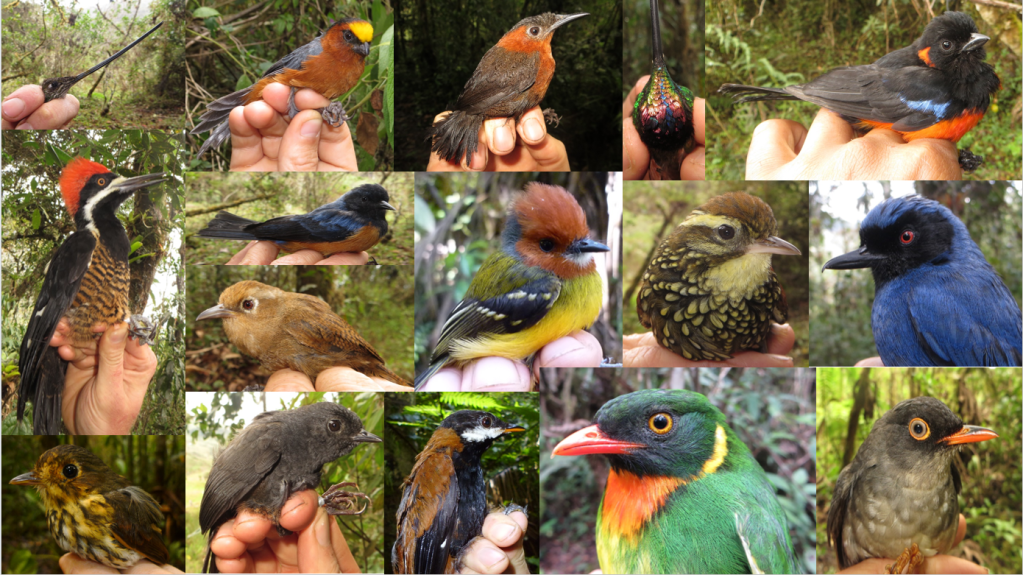
The Birds
~
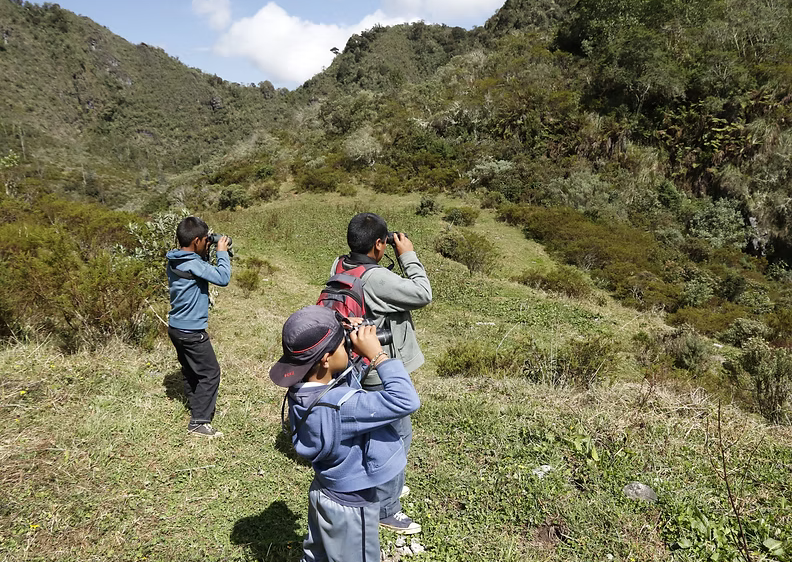
Outreach
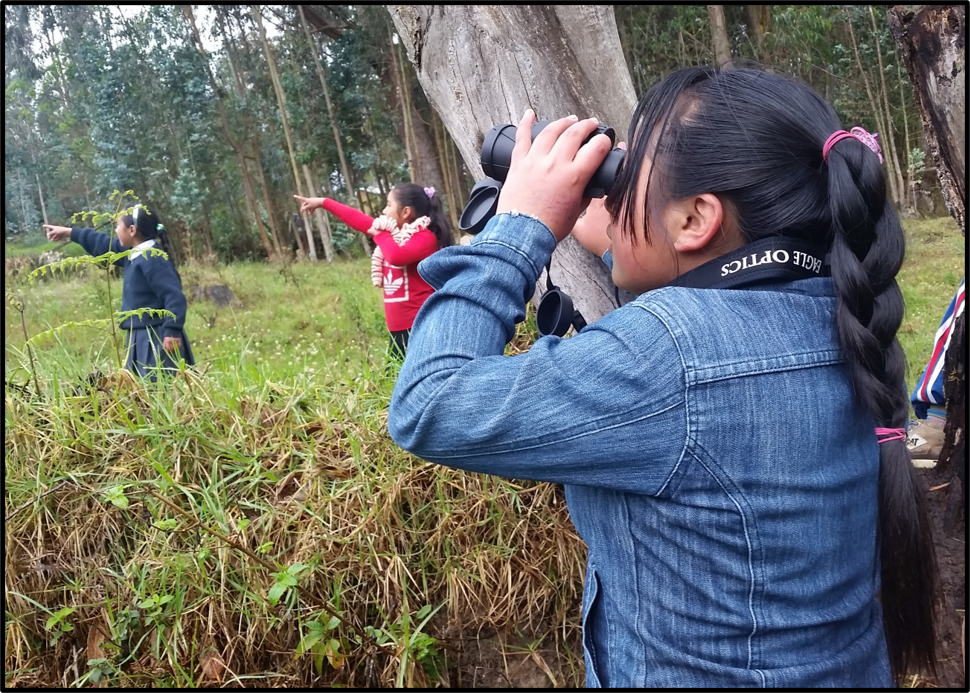
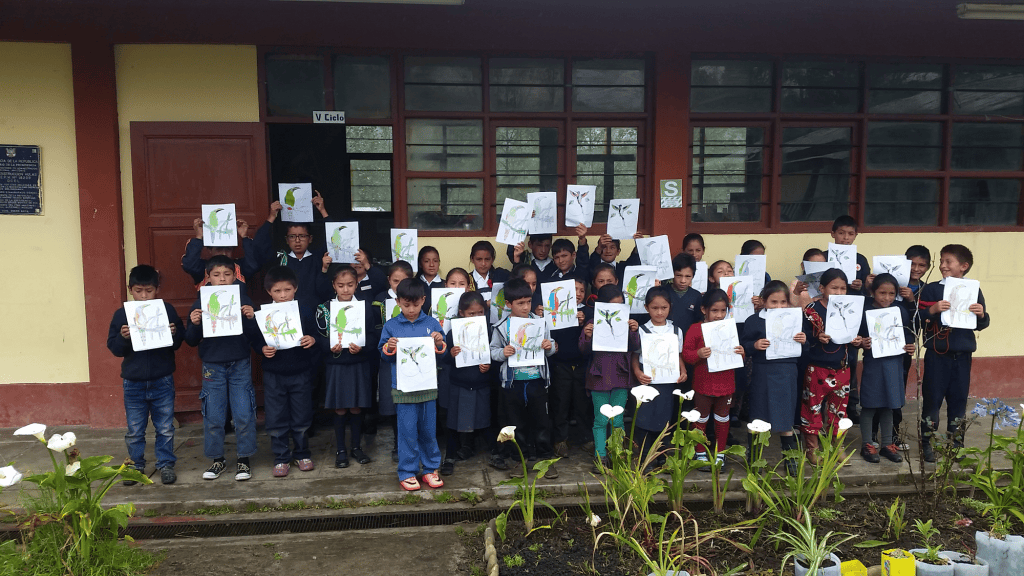
~
People
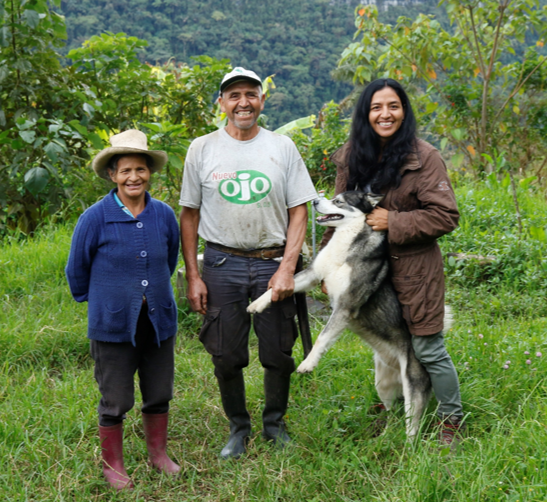
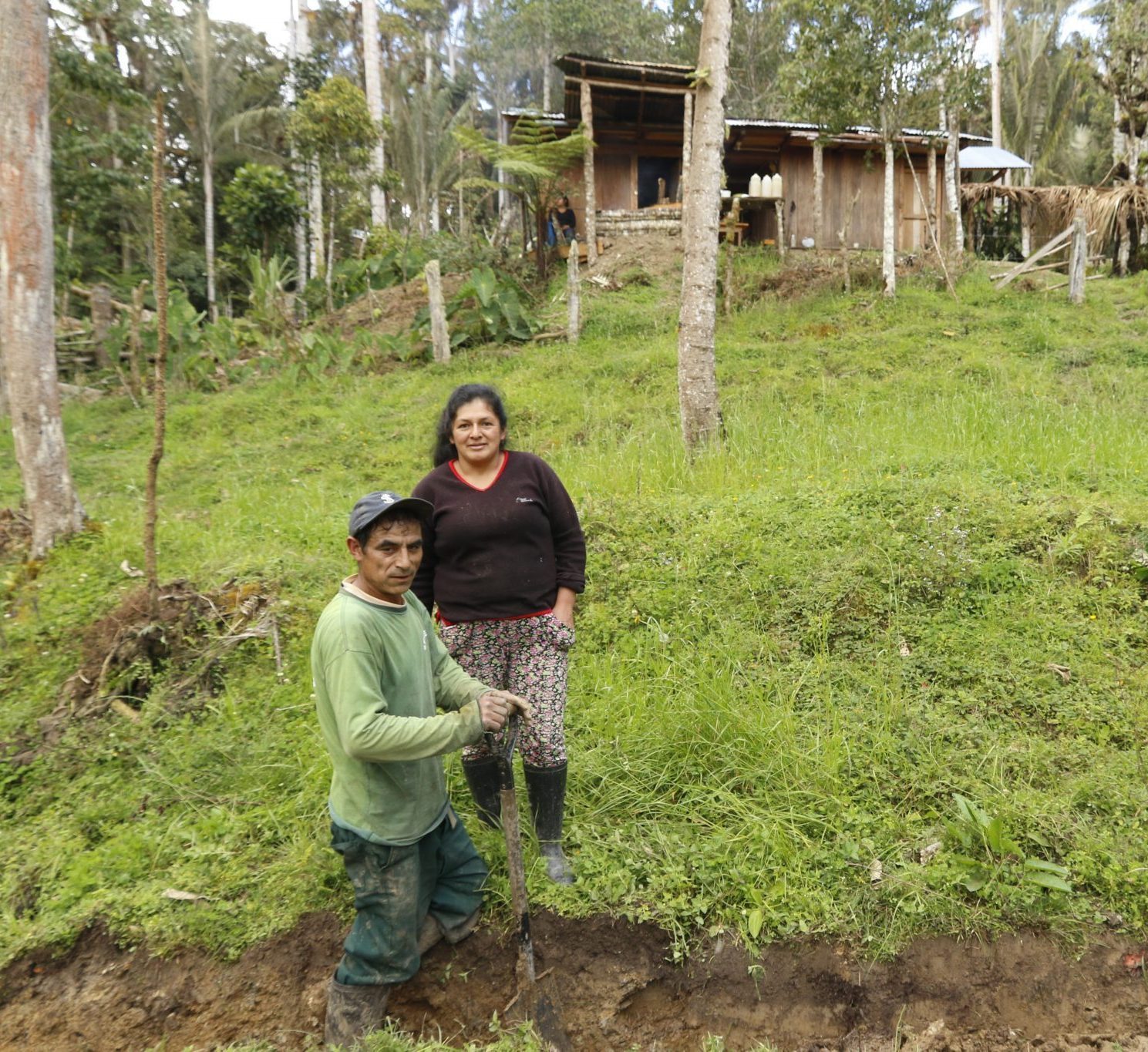
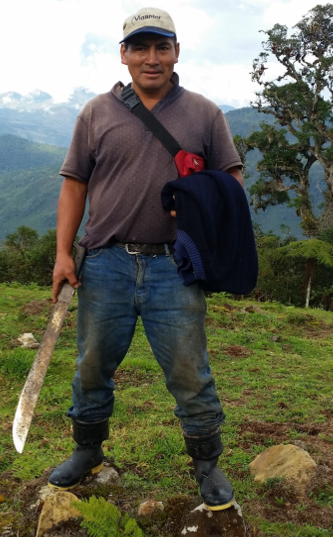
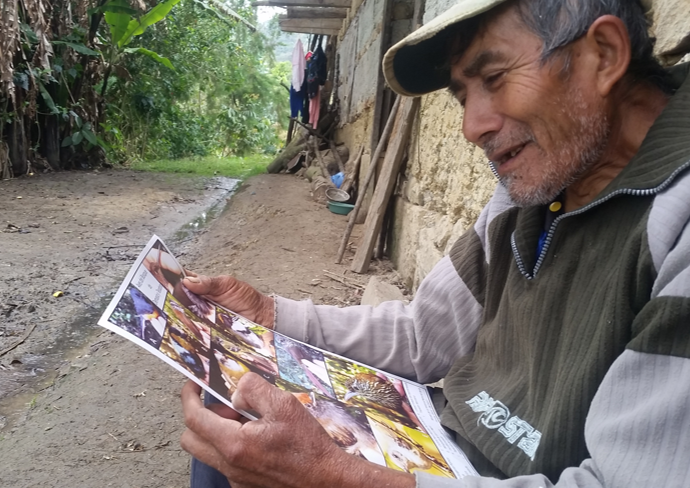
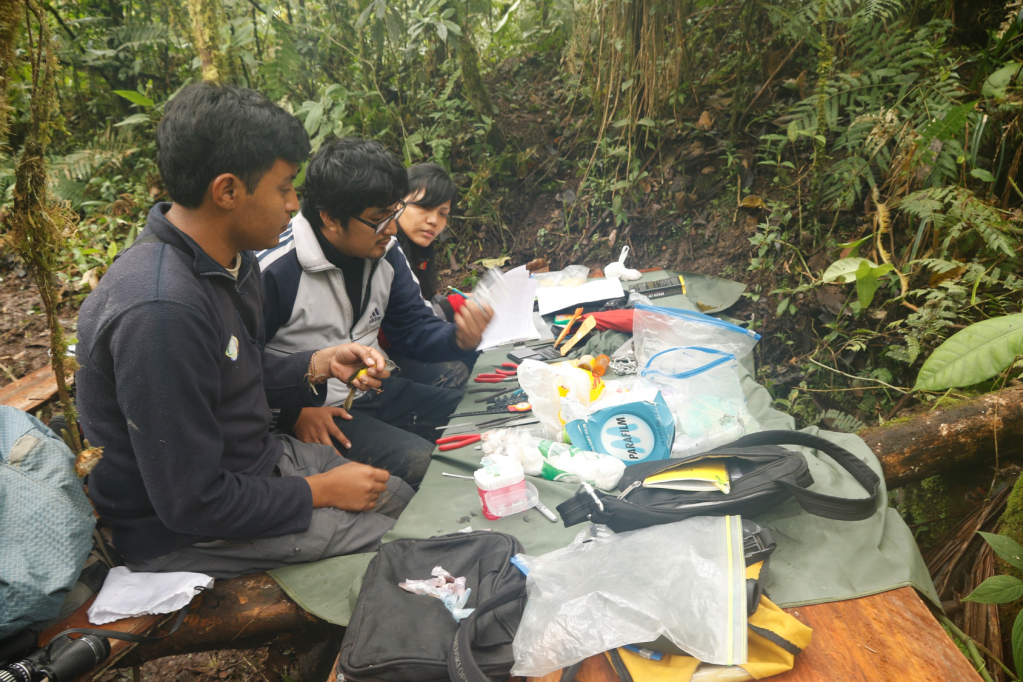
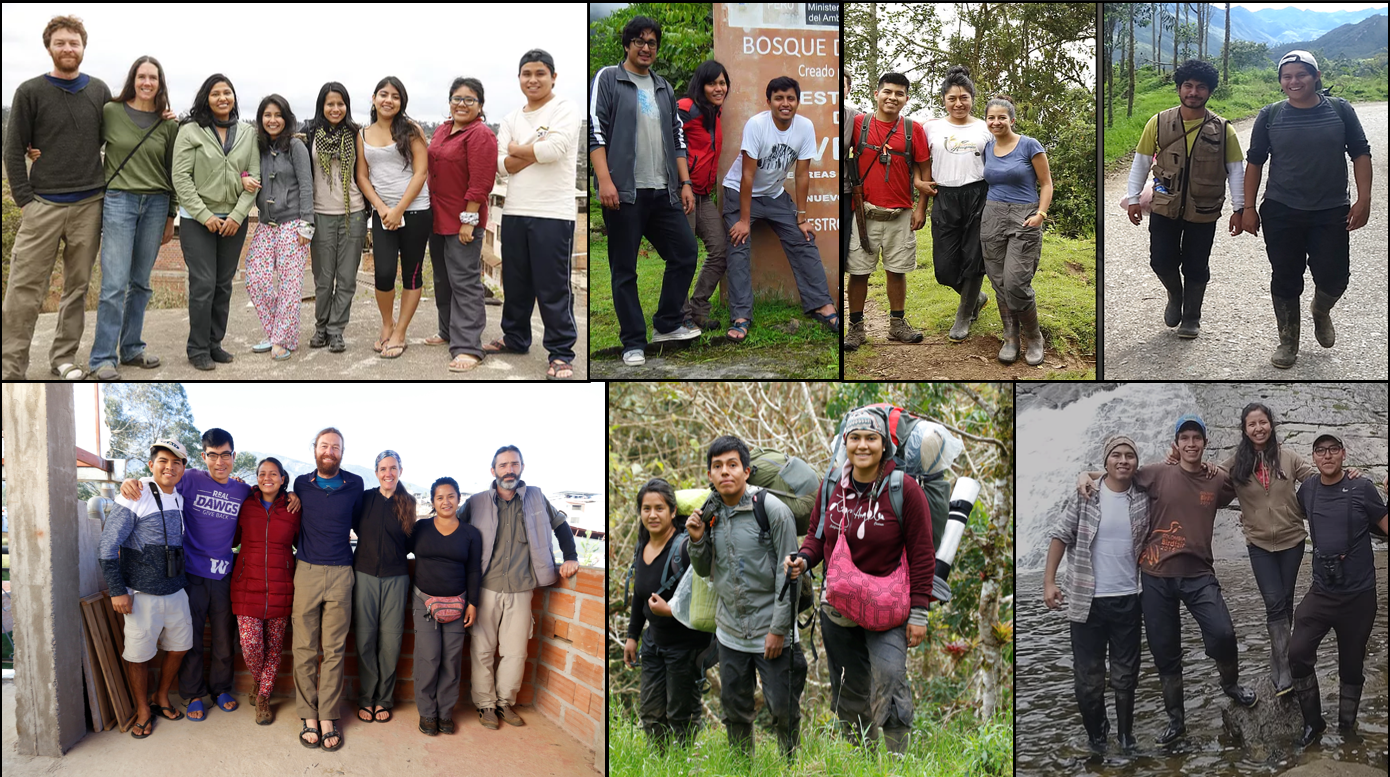
Field Assistants 2015 – 2019
M. Antezana Aponte, A.R. Antezana Ccencho, P.B. Ayala Nagao, E.V. Berrocal Rodríguez, J.F. Castro Ospina, J. Cereghetti, K.M. Chumpitaz Trujillo, D. Guevara Apaza, A.C. Felix Caballero, E. Flores Cabrejos, A.S. Herrera Reto, L.L. Horna Ordinola, R.A. Huayanca Munarriz, N. Mamani Cabana, E.I. Nuñez Cortez, J.W. Ortiz Herrera, P.M. Ordoñez Buezo de Manzanedo, A.C. Paca Condori, N.J. Peña Girón, R.O. Pérez Purizaca, J.N. Pisconte Camargo, T.V. Poma Coyla, V. Rimarichín Cayatopa, M.C. Ríos Vásquez, V.E. Sánchez Cabrerra, M.E. Seminario Rebolledo, & W. Zhou.
 Animal Functional Ecology & Conservation