-
While our research depends on the support of many local people in the communities where we work we are especially grateful for several deep friendships developed over the years. This past week we worked with our oldest friend, Marleny Serván , in the Private Conservation Area Las Palmeras de Ocol. We first met Marleny in…
-
One of the main goals of this field season is to collect another year of data for our long-term study of avian demography. A key metric when studying populations is annual survival, the probability that a given individual survives a year in face of predation, food limitation, and general mortality. To calculate this one must…
-
How do cloud forest birds use agricultural areas surrounding remnant forest fragments? We found out for one species: Smoky-brown Woodpecker (Picoides fumigatus). After capturing one individual within the fragment at San Lorenzo we attached a radio transmitter and spent the next two days following its movements across the surrounding pastured landscape. Using isolated pasture trees…
-
We are just back from fieldwork in the small campesino town of San Lorenzo where we completed our fourth year of mist-netting and mark-recapture within a 3.5ha forest fragment. Despite being extremely isolated and completely surrounded by pasture, this fragment holds a surprising diversity of cloud forest bird species. We were extremely excited to capture…
-
Our 5th field season in the Andes of Peru has begun! I’ll be blogging about it on National Geographic’s Open Explorer platform under the title “Tracking Andean Birds”.
-
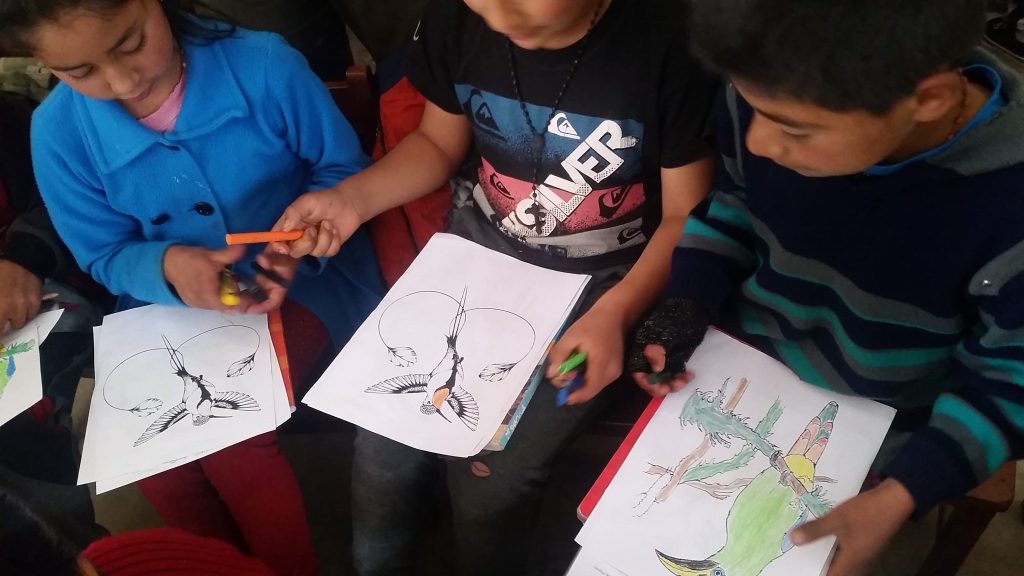
We are back in Florida now after concluding 3 months in the field, which gives time to reflect on the highlights of the past summer. The first that come to mind were the outreach workshops our crew conducted with elementary schools at field sites in San Lorenzo and Ocol. Both communities lie near huge tracts…
-

I’m extremely excited to have received an Early Career Grant from the National Geographic Society in support of my research on avian sensory ecology and light micro-environments. The grant not only provides financial support for purchasing telemetry and bio-logging technologies, but offers opportunities to work with mentors at Nat Geo’s science communication team. Like most…
-
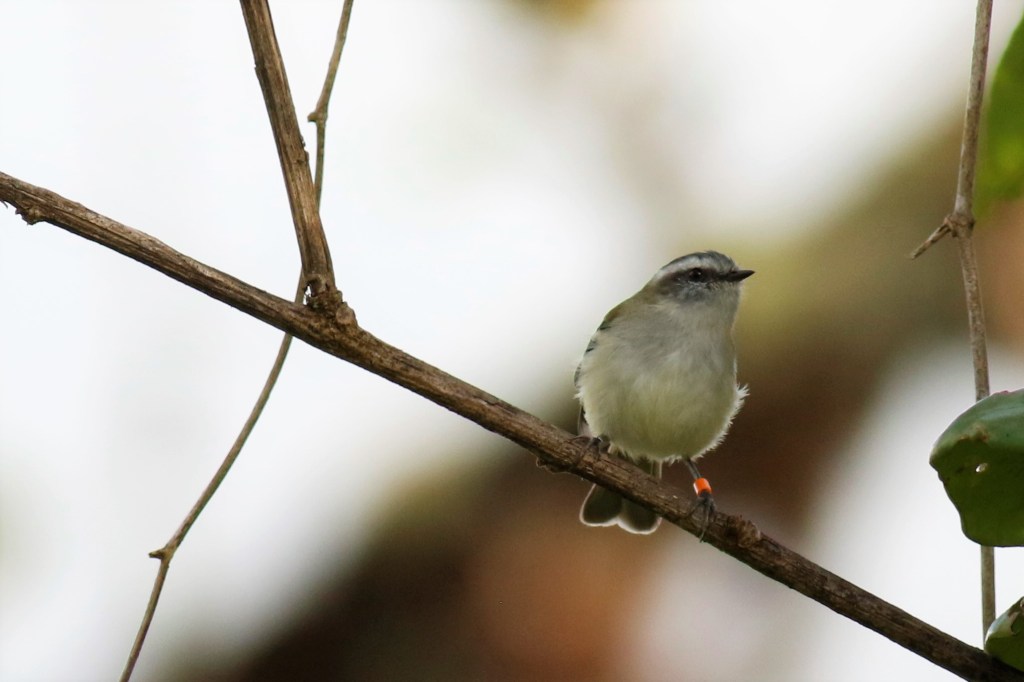
We are just back from banding at one of our forest fragment sites in the small town of San Lorenzo. This fragment of just 3 hectares has a lot of avian diversity in it, but we’re trying to figure out if birds actually stay in it long enough to maintain a territory or if they…
-

I am super excited to have been appointed a Fellow with the UF Biodiversity Institute for 2018-2019 and look forward to working the other Fellows as we research and communicate the importance of global biodiversity!
-
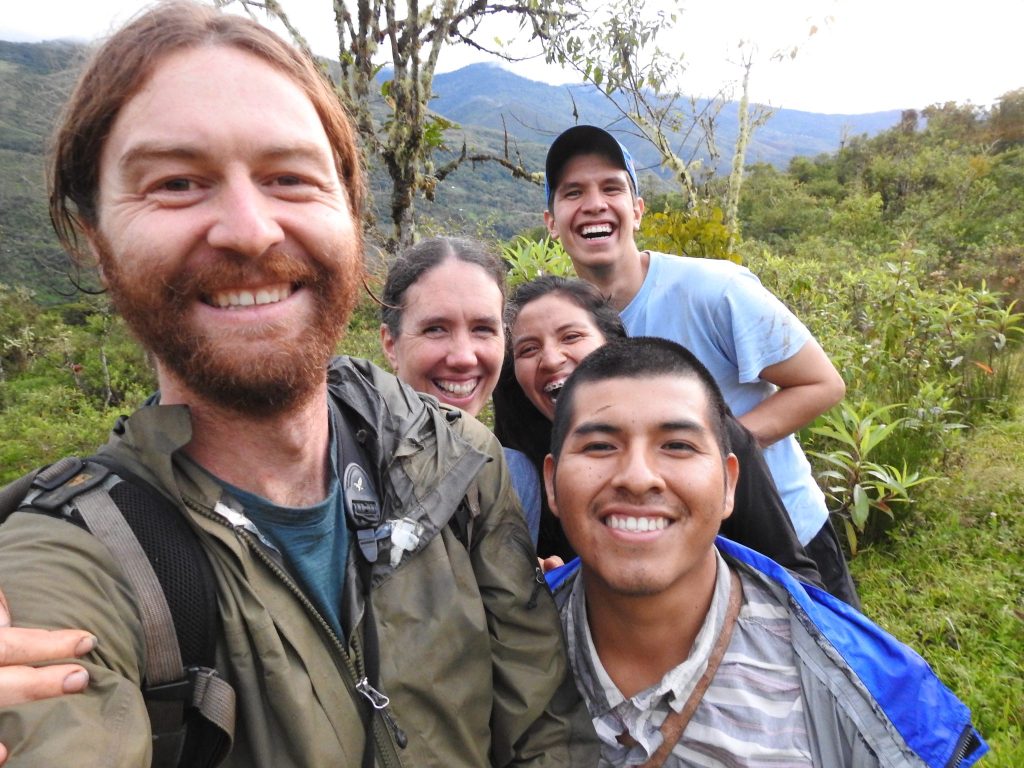
We are back for our fourth field season in the cloud forests of northern Peru! This year will be a bit shorter (3 months instead of 6), but we’ll be working hard to improve our demographic modelling of avian survival in forest fragments by extending our mark-recapture time series. We’ll also be collecting more radio…
-
Subscribe
Subscribed
Have a WordPress.com account? Log in now.

