I study the functional & demographic mechanisms underlying biodiversity change across environmental and Anthropogenic disturbance gradients, using tools from community ecology, landscape ecology, population biology, comparative zoology & conservation biology.
Avian Visual Ecology & Evolution
Tropical Ecology & Conservation in Working Landscapes
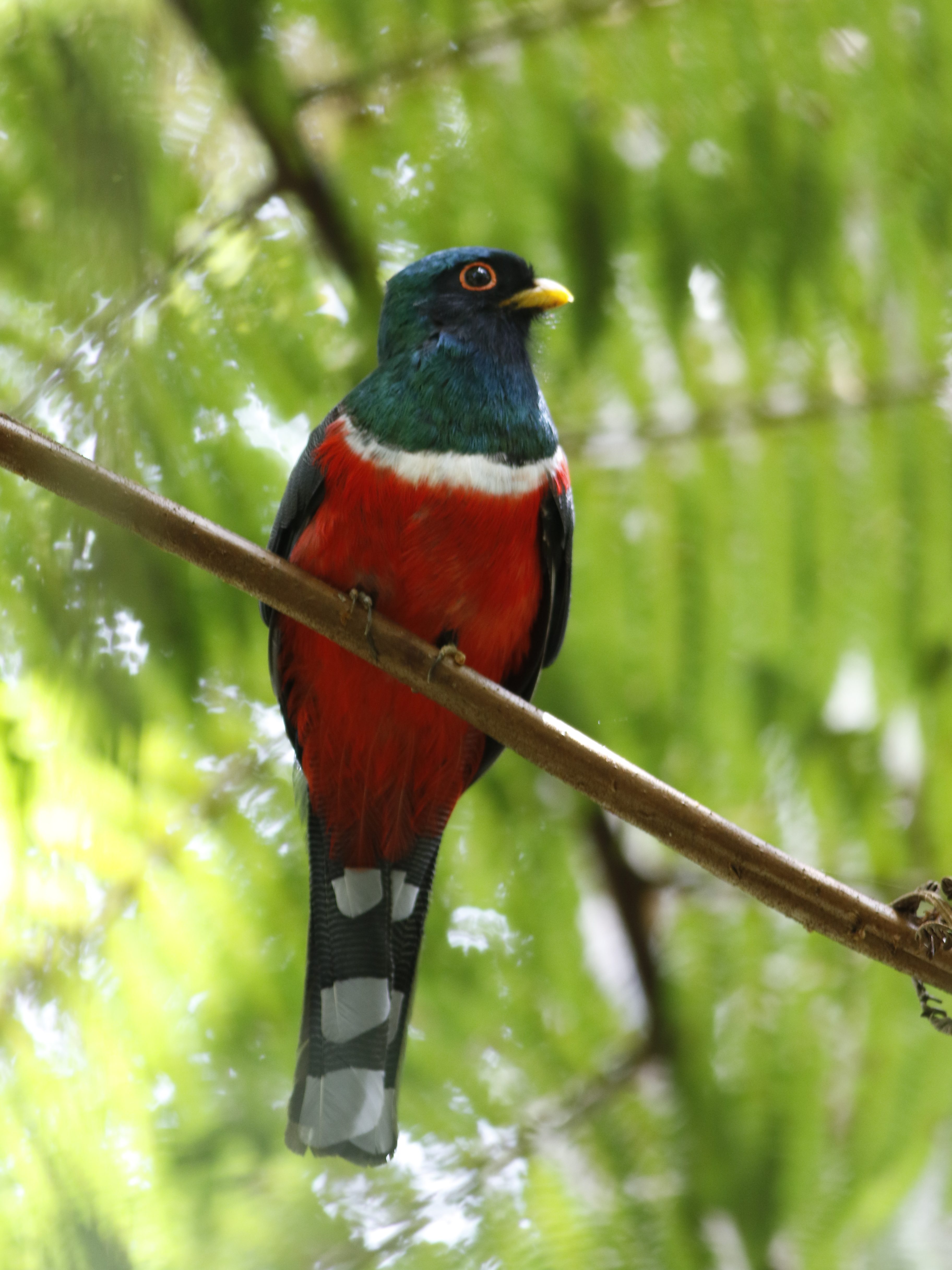
Since 2014, I and my collaborator, Dr. Felicity Newell, have been working with a study system that we developed in the cloud forests of northern Peru to study how the interaction of climate and agricultural land use change drive population dynamics of tropical montane bird communities. I mainly focus on questions related to habitat loss and fragmentation and integrate intensive field surveys (audio-visual, mist netting, flock observations) with behavioral experiments, radio tracking, and novel animal biologging technologies to (1) identify the functional mechanisms underlying community disassembly and (2) develop management strategies for conserving avian diversity within agricultural landscapes. We have spent over 2 years living in rural campesino communities near the capital city of Chachapoyas, and together we started the project Aves del Bosque Montano Peruano to help share our science with local NGOs and community partners.
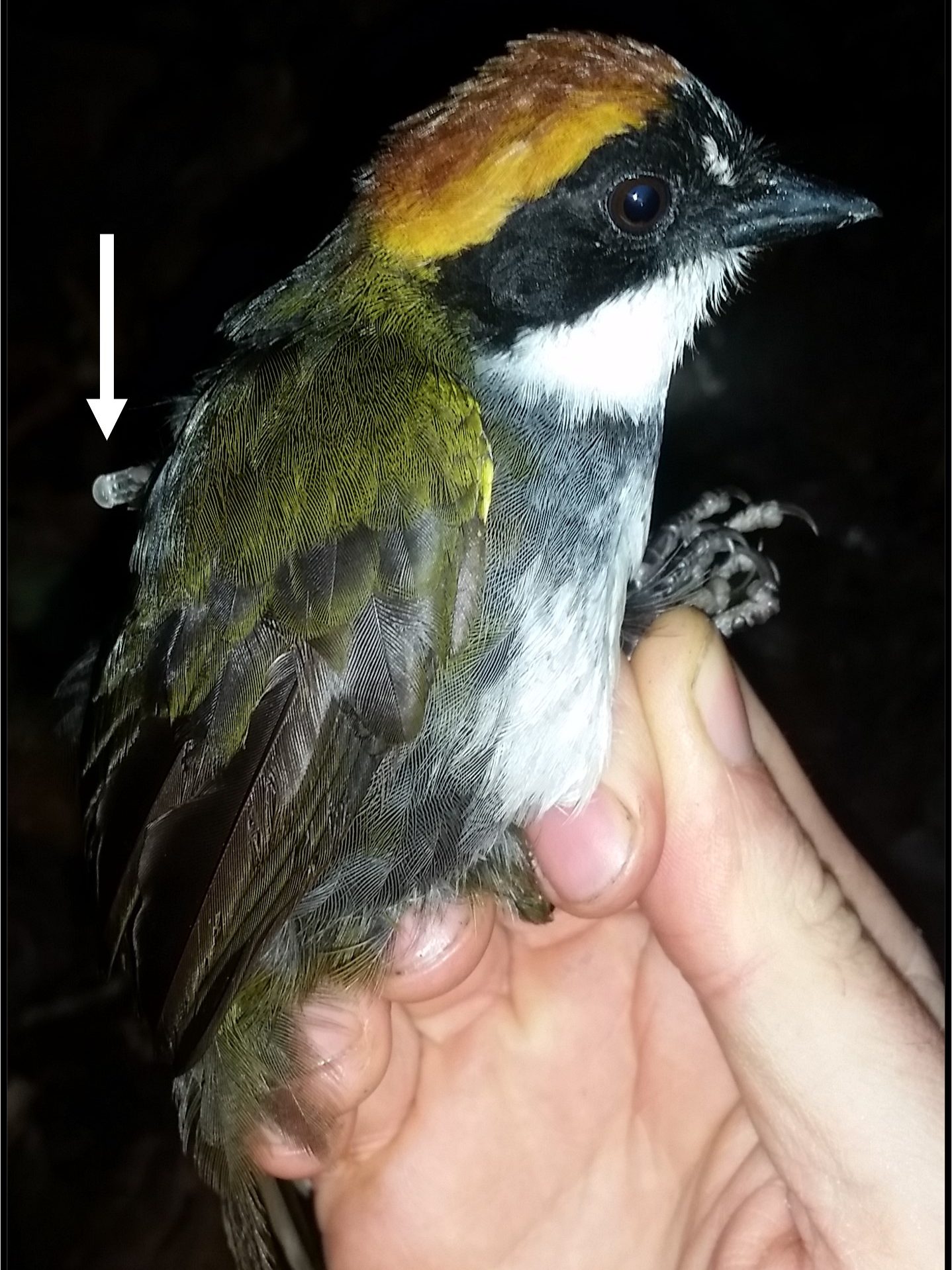
Light Sensitivity
I used tiny light sensors mounted on the backs of cloud forest birds to describe the types of light that different species use and how adaptations to the dark contribute to population declines in brightly lit agricultural landscapes.
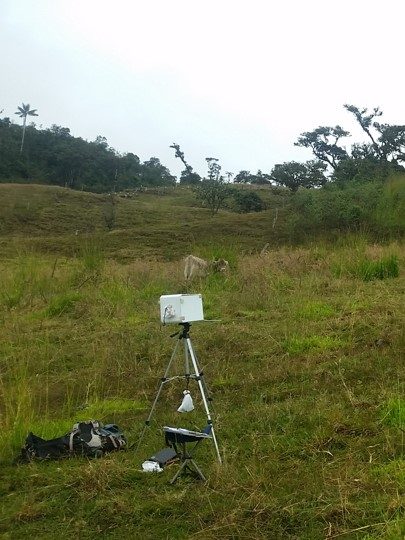
Dispersal Limitation
I used release experiments and intensive surveys in forest fragments to demonstrate the flight mechanisms underlying extreme dispersal limitation in relation to the spatial and temporal dimensions of patch isolation.

Functional Predictors
I used a suite of functional traits related to morphology and natural history to quantify dynamic changes to the ecological niche space occupied by communities across agricultural disturbance gradients.

Sensitivity & Conservation of Tropical Montane Birds
I demonstrated how simple management strategies can retain avian biodiversity in agricultural landscapes, provided species-sensitivity scores for conservation assessments, and conducted a synthesis of species-specific sensitivities across the Andes.
Demography & Life History Evolution
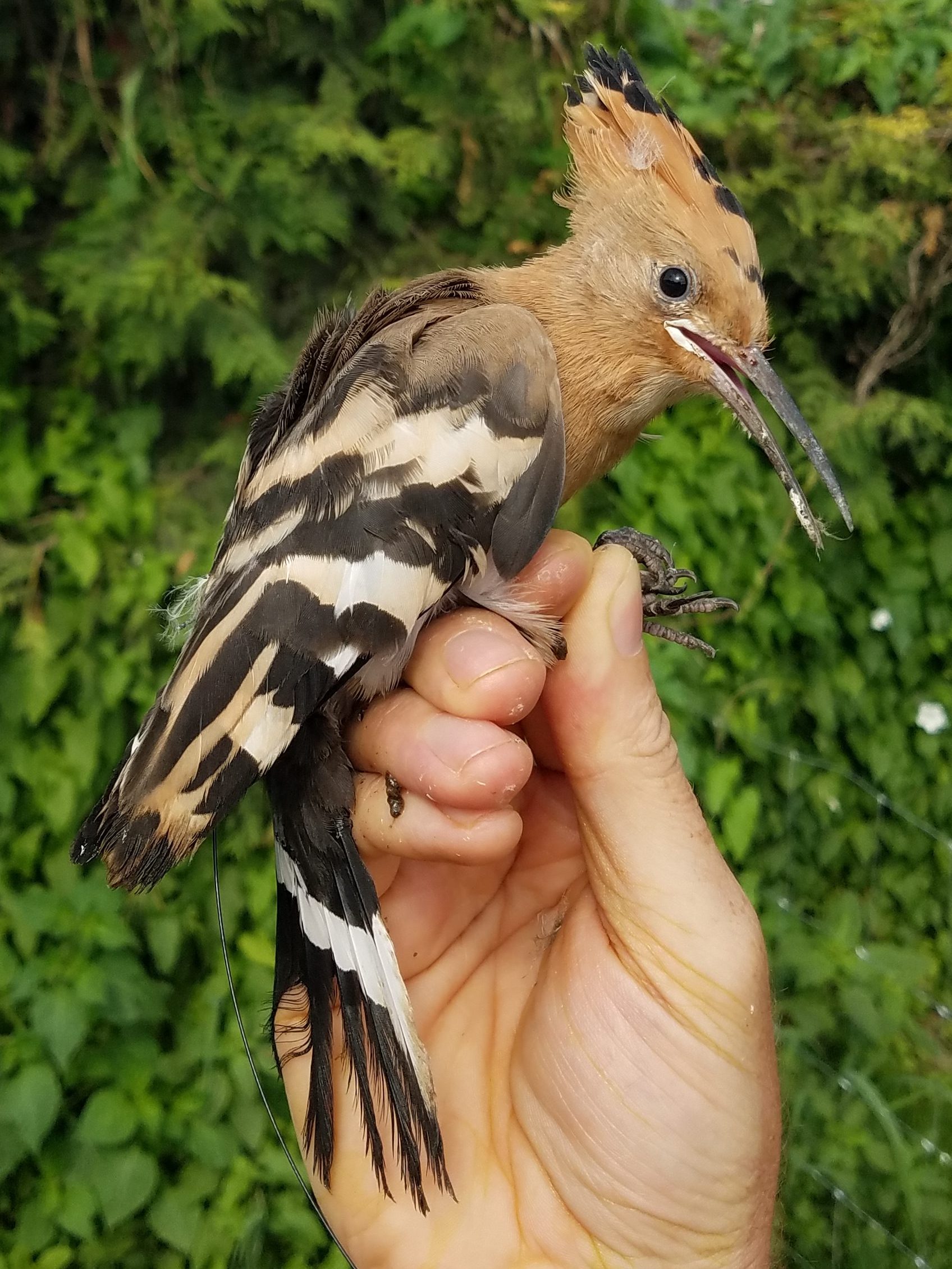
During my MSc research I studied the survival and dispersal movements of fledgling songbirds across a gradient of urbanization in central Ohio, USA as part of Dr. Amanda Rodewald’s research program on urban ecology. This work later contributed to a global collaboration showing how the post-fledging developmental stage lies at the center of avian life history evolution. More recently, as part of my postdoctoral work at the University of Bern, my students and I have been studying post-fledgling survival and movements of European Hoopoes in the highly intensified agricultural and urban landscape of Valais, Switzerland.
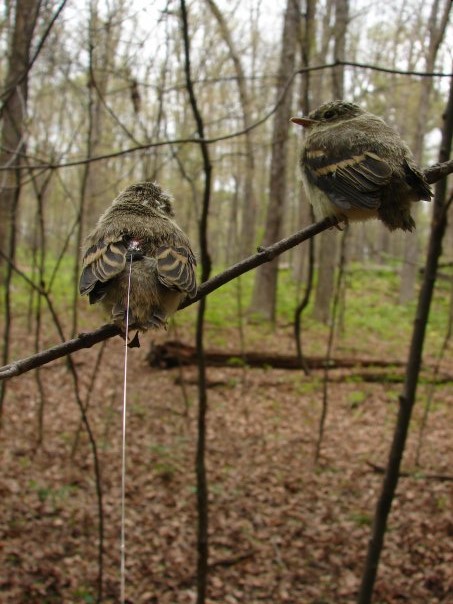
Demography & Dispersal in Urban Landscapes
By radio-tracking juvenile Acadian Flycatchers & Northern Cardinals during their first few weeks out of the nest, we showed (1) how invasive Honeysuckle shrubs drive survival and habitat selection across an urban gradient & (2) how individual dispersal movements are linked to local habitat conditions and densities of conspecifics.
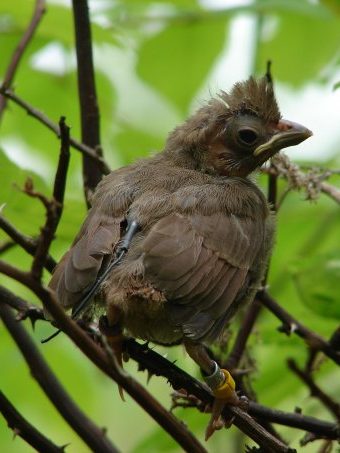
Avian Life History Evolution
I contributed to a global collaboration led by Dr. Todd Jones looking at post-fledging survival across songbird species in the context of conflict between parents and their offspring.

Post-fledging Ecology of the European Hoopoe
This is a new project done in collaboration with the Swiss Ornithological Institute that has been monitoring the Swiss Hoopoe population for 20 years. Our goals include understanding how young Hoopoes survive and move within a highly intensified agricultural landscape, as well as determining the relative contribution of juvenile mortality to population dynamics.
Alpine Biodiversity & Climate Change
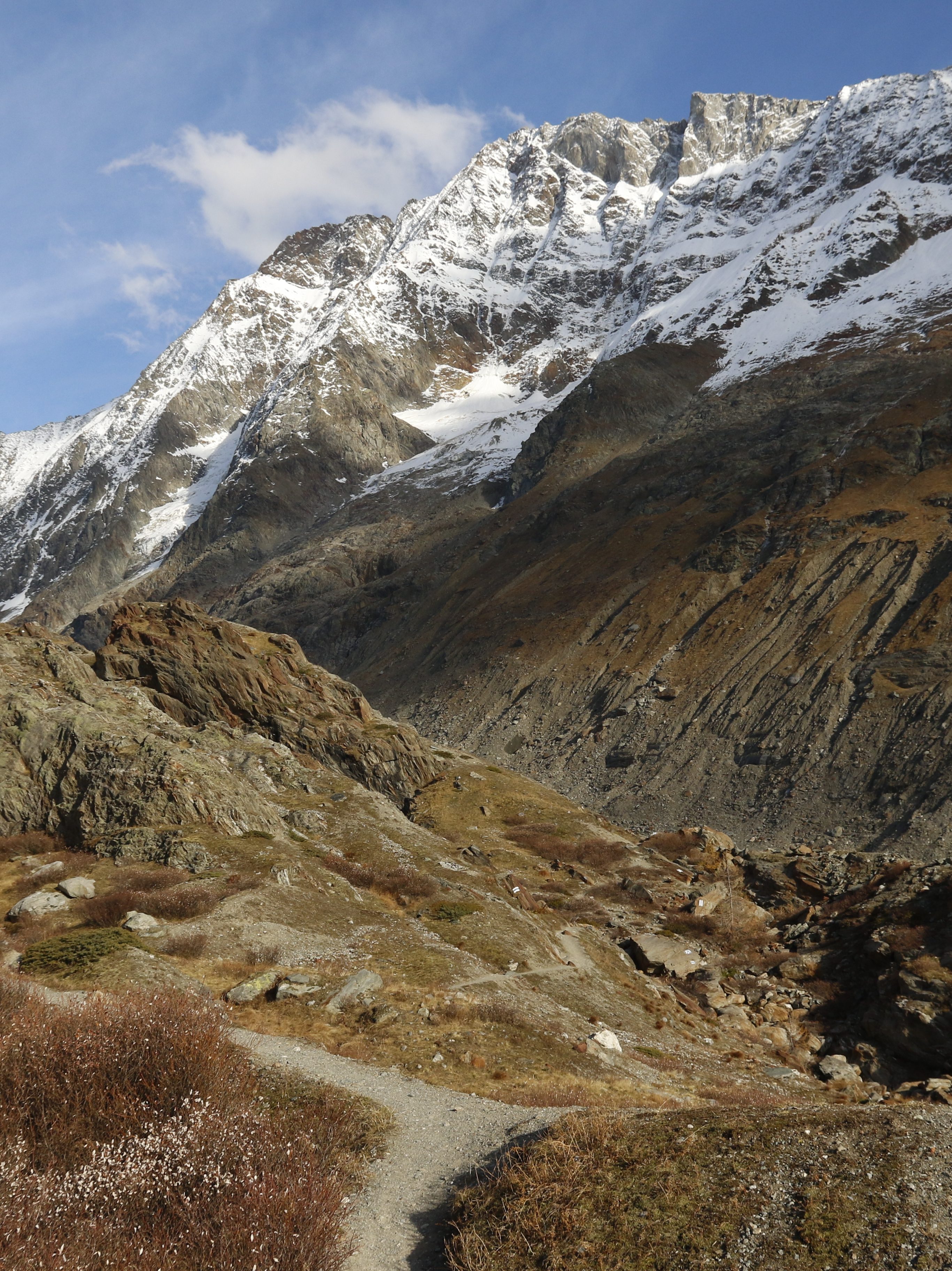
This project is a collaboration with the University of Bern Division of Conservation Biology in Switzerland and explores the physiological and behavioral mechanisms underlying the persistence of alpine bird communities during an era of rapid temperature warming. We completed our first two field seasons in summer 2024 & 2025, successfully tagging 40 Rock Ptarmigan and Rock Partridge with satellite tags, establishing local weather stations, and measuring land surface temperature at bird territories using a thermal drone. Photos of fieldwork are here.

Avian Visual Ecology & Evolution
Morphological traits have long been used to define the ecological niche space of birds, particularly those related to movement (wing & tarsus), diet (bill), and body size (mass). However, the visual system and its role in contributing to the ecology and evolution of the avian tree of life remains extremely understudied. My work on light sensitivity of Andean cloud forest bird communities led me to find the unpublished dissertation of Stanley Ritland (1982) that includes eye size measures from museum specimens for nearly half of the world’s bird species. Thanks to Stan’s heroic efforts, I am working with collaborators to demonstrate the pervasive influence of eye size as a novel functional trait dimension underlying the ecology & evolution of global bird communities.
Eyes Size & Terrestrial Bird Ecology & Evolution
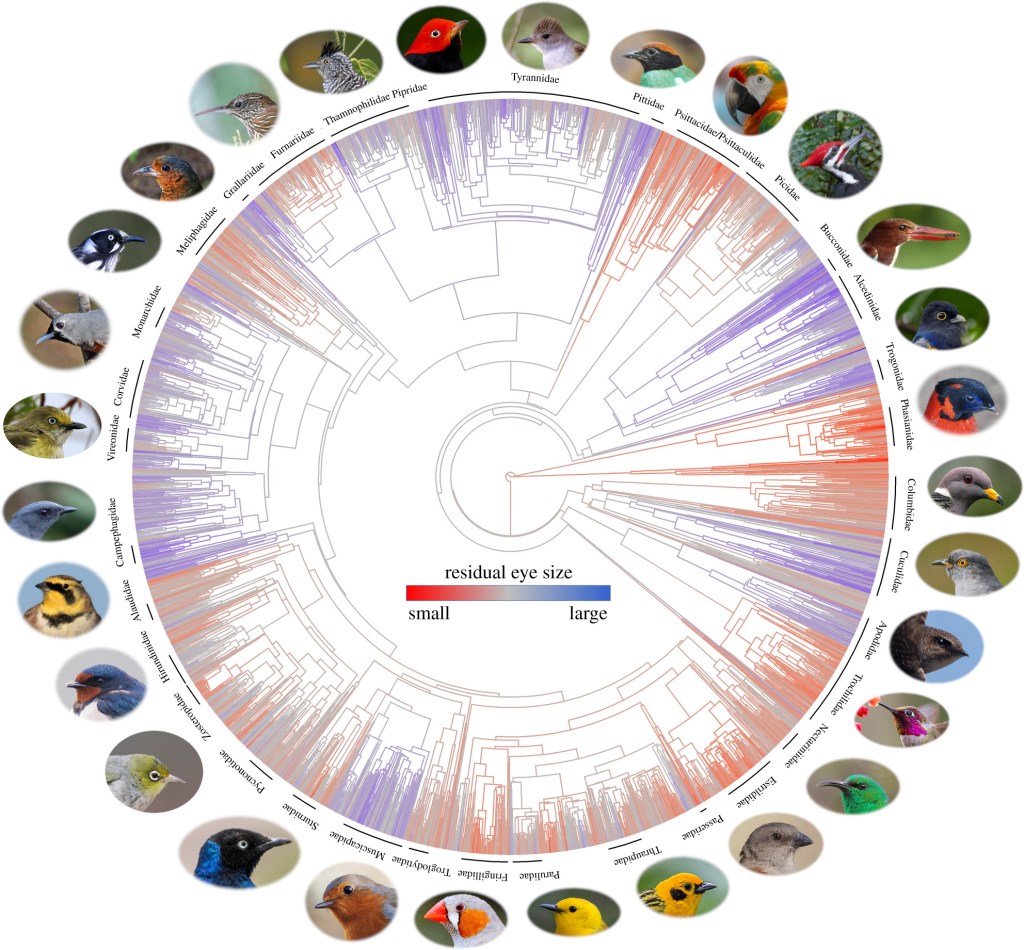
When looking at variation in eye size across 2800 bird species, I found strong correlations with key aspects of the ecological niche, such as foraging behavior, diet, habitat, and latitude. I also found that much of the variation in eye size was explained by phylogeny, demonstrating the central role light has played in avian evolution.
Visual Systems & Brood Parasite Interactions
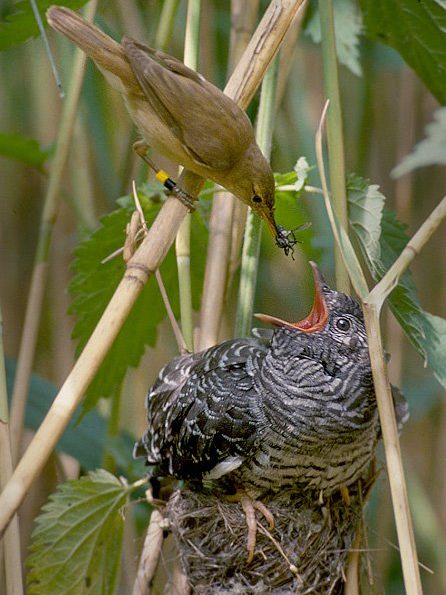
I collaborated with Dr. Mark Hauber to demonstrate that visual acuity mediates interactions between brood parasites and their hosts. Photo: Per Harald Olsen
Aquatic Birds
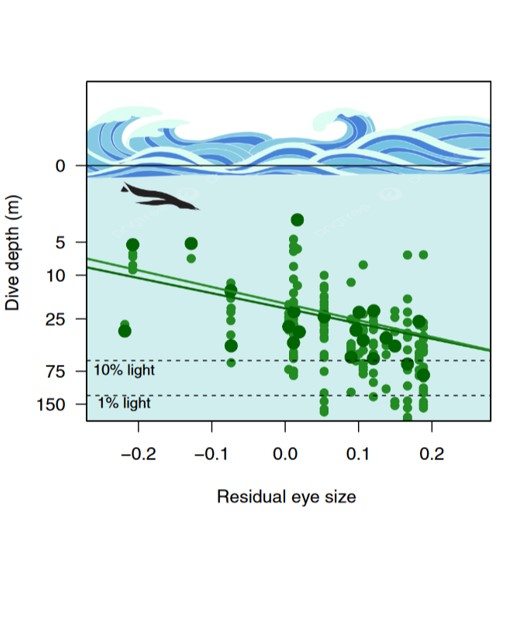
I examined the ecological correlates of eye size for 1/3 of the global aquatic avifauna (~450 species). One of the most amazing findings related to underwater pursuit divers (like auks and penguins). Species that dove to greater depths where light attenuates to < 1% had larger relative eye sizes, indicating that underwater light environments have contributed to eye size evolution.

Visual Ecology of Nesting
This collaboration provides a first look at how avian visual acuity and sensitivity have evolved in concert with nest architecture strategies. Using existing databases on eye size, nest construction behavior, and traits related to the color of eggs and nestling gapes for over 1600 species of Passerine birds, our results point toward the evolution of a pervasive set of interactions between the visual system and avian reproductive dynamics as mediated by nest architecture.
 Animal Functional Ecology & Conservation
